Allergy støvsugere


How a vacuum cleaner helps with allergies

HEPA Filtration
HEPA filters capture up to 99.99% of airborne particles as small as 0.3 µm, including fine dust and pollen, preventing them from being released back into the air.

Powerful suction
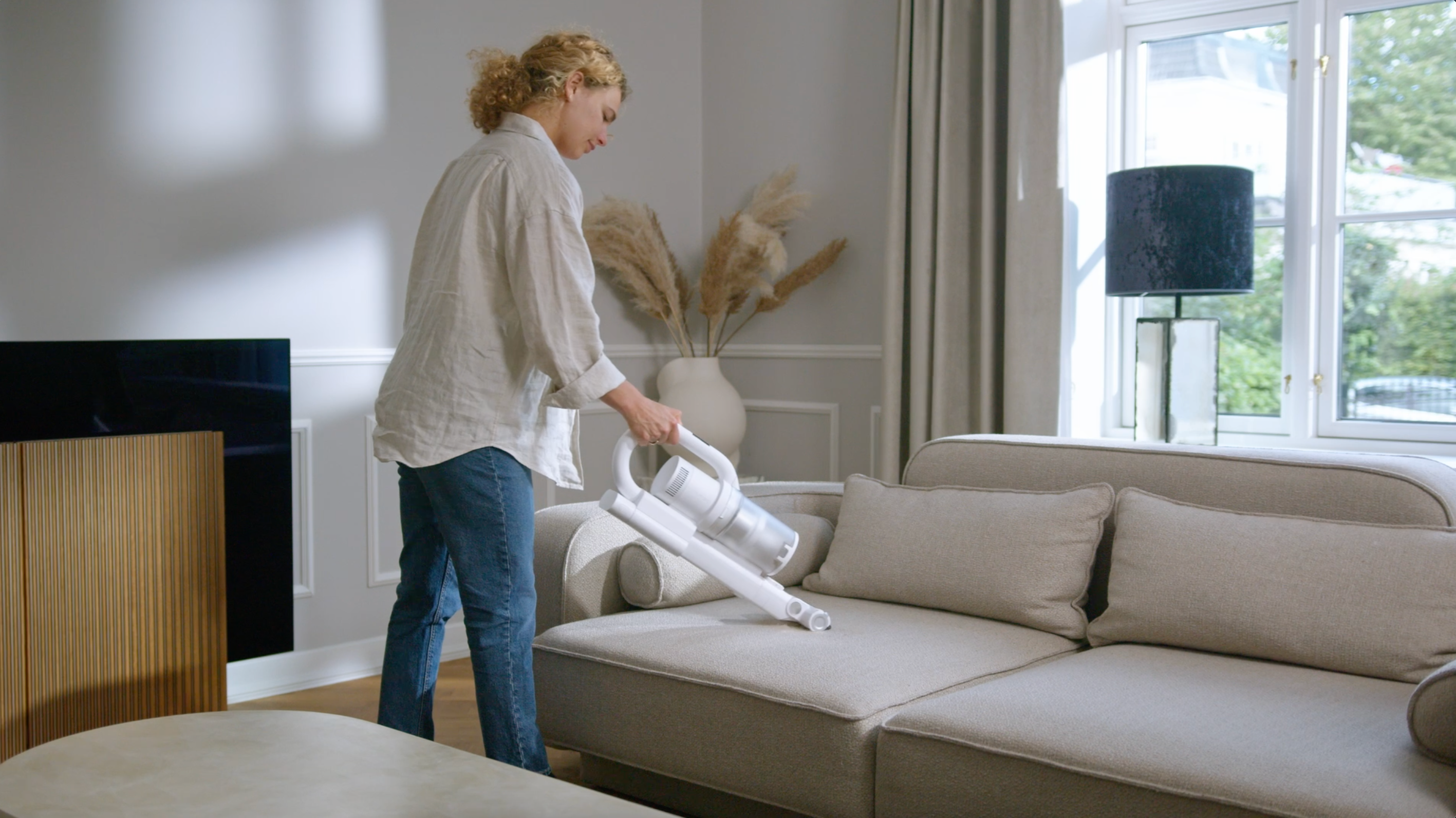
Effectively removes dust, pet hair and microscopic allergens from carpets, furniture and hard floors.

Regular cleaning
Vacuuming at least 2–3 times a week helps keep allergen levels low, improves air quality, and makes breathing easier.

Airtight construction
Ensures that even the smallest allergens remain trapped inside the vacuum cleaner and do not escape back into your home.


Most popular allergy-friendly vacuum cleaners
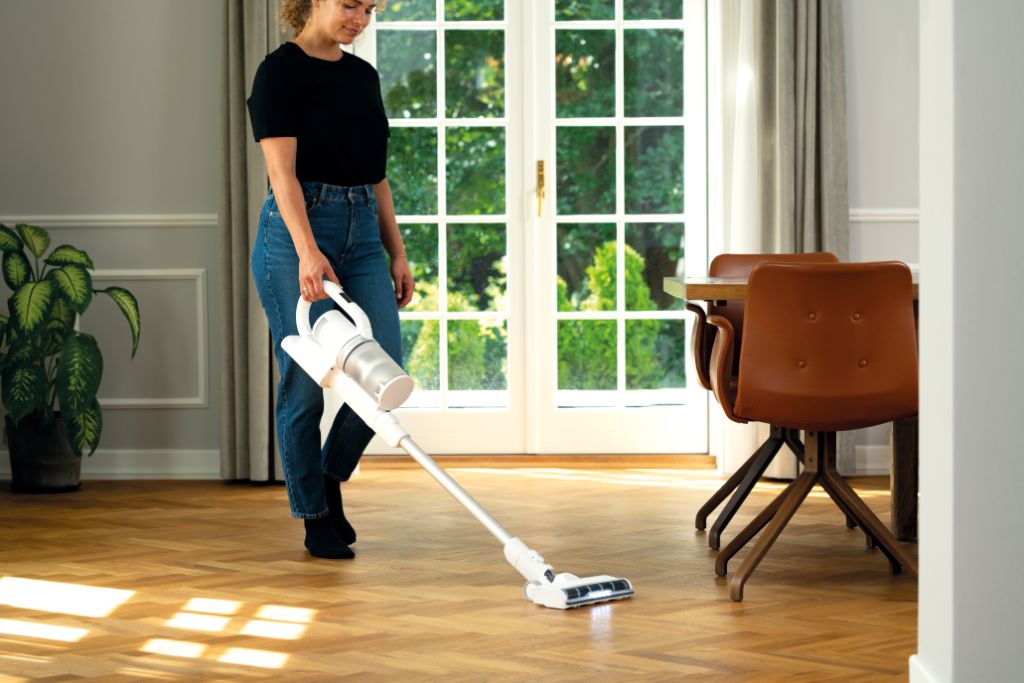
Example product title
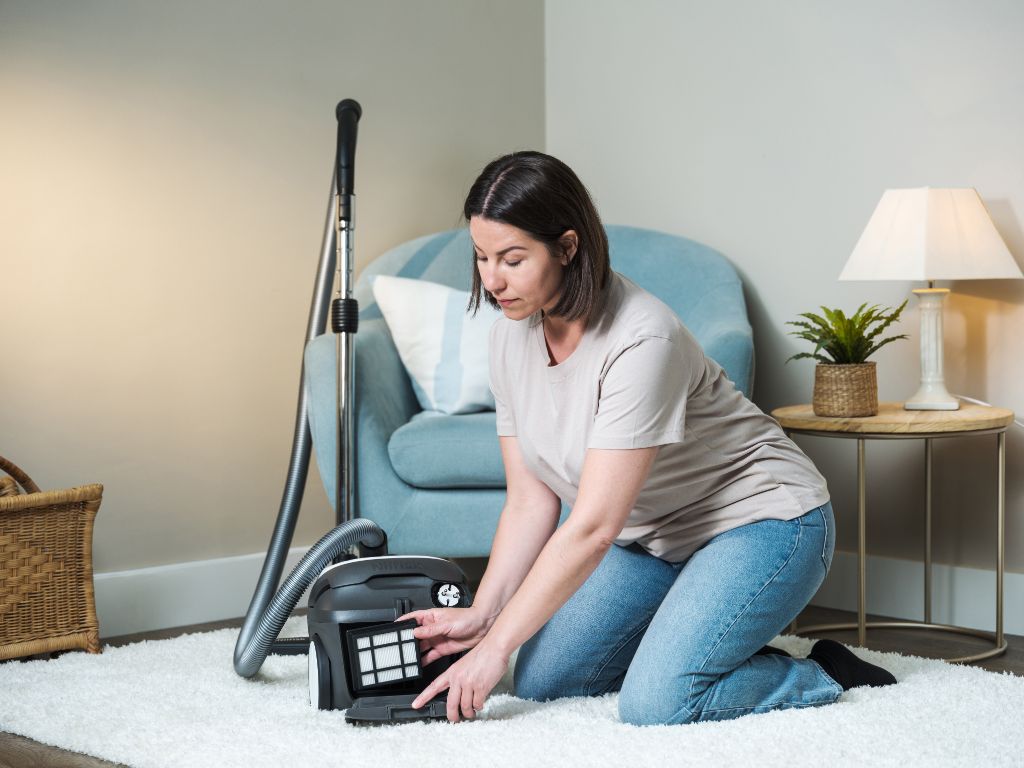
Example product title
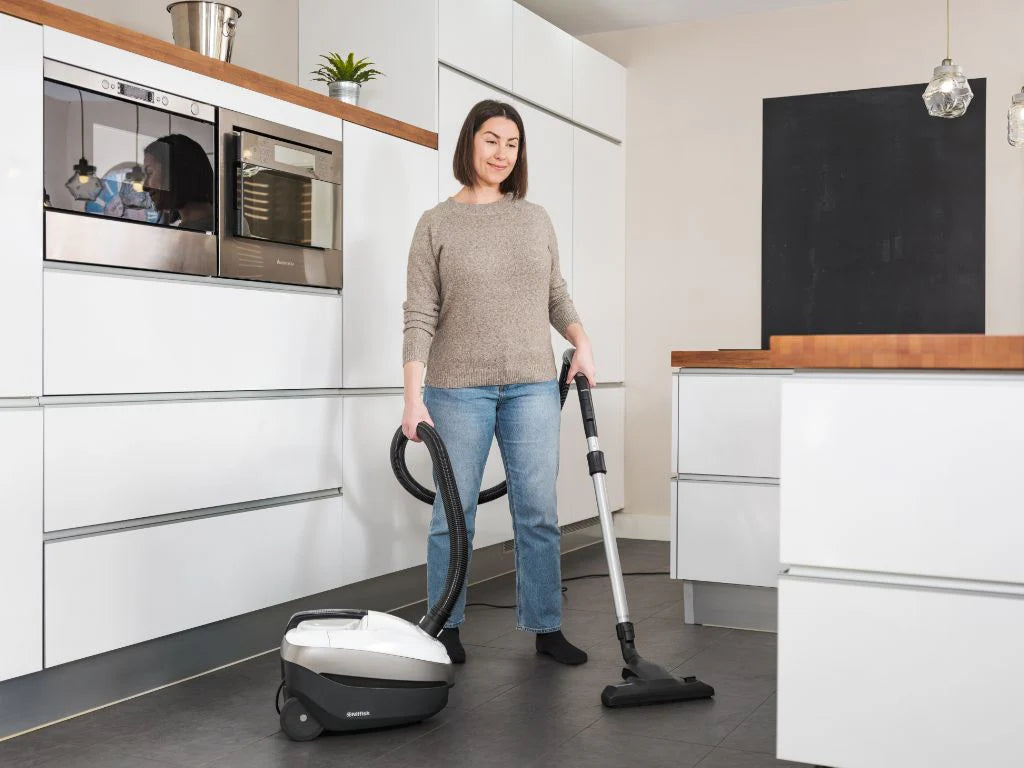
Example product title
Reviews
Guides

5 ways to keep your home allergy-free
The allergy season is upon us once again and we are using tissues like there’s no tomorrow! Whether you or someone living in your household suffer from allergies such as dust, pollen, pets, mould or other - it’s not all bad news. There are ways to reduce allergens in your home to make it a more comfortable place for everyone. We have compiled a list of our top 5 tips to keep your home (almost) allergy-free. 1. Stop allergens getting inside Airing out your home is important to reduce the risk of mould and stop humidity (which is the ideal climate for dust mites). Try to open windows for at least 1 hour per day, apart from during peak pollen seasons or when it’s raining outside. When arriving home after being outside, remove your outdoor clothes as soon as you enter the house and change into a more comfortable outfit – this way you won’t increase the risk of pollen particles inside your home. 2. Choose a vacuum with a HEPA filter Vacuuming regularly is another way to remove allergens from your home, and not only from the floor. Be sure to vacuum upholstery too (sofas and mattresses especially!) Investing in a vacuum cleaner with a HEPA filter means even the tiniest particles will get trapped and won’t be released back into the air when cleaning. 3. Dust your home regularly Dust and mould allergens are some of the most common to be found around the home. When cleaning, use a damp microfibre cloth with detergent to properly remove dust, rather than simply moving it around with a feather duster. This will also stop you from getting allergic reactions when cleaning. 4. Keep your bedding free of dust mites Make sure you change your bedsheets every 1-2 weeks to avoid a build-up of dust mites. We recommend washing bedsheets a higher temperature than you would wash clothes, at around 40-60º. Try not to put too many throws and decorative cushions on your bed, as these often get washed less regularly or need dry cleaning. Turn your mattress over every 6 months to keep it fresh. 5. Purify your home with air conditioning If you suffer from pollen allergies, use the air conditioning rather than opening windows during peak pollen seasons, this will filter out the pollen before it can enter inside your home. Make sure you clean the filter on your air conditioning every 3 months to remove the build up of dust particles.
Read more
Breathe Easy: Tips for Keeping the Air in Your Home Clean
In the hustle and bustle of daily life, the air quality in our homes often goes unnoticed. However, maintaining clean indoor air is crucial for our well-being. From reducing allergens to creating a fresh living space, here are some simple yet effective tips to ensure that the air in your home remains clean and healthy. Regular Ventilation: The simplest way to improve indoor air quality is to let fresh air in. Open windows and doors for at least 1 hour per day to facilitate cross-ventilation. This helps in reducing indoor pollutants and circulating stagnant air out of your living spaces. It also helps to control humidity levels and reduce the risk of mould in your home. Keep Your Living Space Clean: Regular cleaning is paramount to keeping indoor air clean. Dust surfaces, vacuum carpets, and mop floors regularly to prevent the accumulation of dust, pet dander, and other allergens. Pay special attention to areas prone to dust build-up, such as shelves, blinds, and radiators. Invest in Indoor Plants: Plants act as natural air purifiers by absorbing pollutants and releasing oxygen. Spider plants, snake plants, and peace lilies are especially known for their air-purifying qualities. Place a few indoor plants strategically around your home to enhance both air quality and aesthetics. Regularly Replace Filters: Heating, ventilation, and even vacuum cleaners play a crucial role in air circulation. Ensure that you regularly replace the filters in these systems to prevent the build-up of dust and allergens. Adopt a regular cleaning routine: Ensure you dust and vacuum regularly to remove excess allergens from settling around in your home. Choose a vacuum with a HEPA filter which will stop up to 99.99% of airborne particles being pushed back into your home when cleaning. By incorporating these practices into your routine, you can create a living space with clean, fresh air. From embracing the beauty of indoor plants to maintaining a consistent cleaning schedule, these tips empower you to take control of your home's air quality and, in turn, your overall well-being. So, breathe easy and make a commitment to a healthier, cleaner home environment today.
Read more
How to Know When to Change the Filter on Your Vacuum Cleaner
Your vacuum cleaner works hard to keep your home clean, but did you know that its filter plays a vital role in ensuring top performance? A clogged or worn-out filter doesn’t just reduce suction power—it can also release dust back into the air. That’s why keeping on top of filter changes is one of the simplest ways to maintain your vacuum and ensure a healthier home environment. Why Is My Vacuum Losing Suction? One of the most noticeable signs that it’s time to change your filter is a drop in suction. If your vacuum isn’t picking up dirt, crumbs, or pet hair as effectively as before—even after checking that the dust bag or container isn’t full—the filter could be clogged. A blocked filter restricts airflow, forcing your vacuum to work harder while delivering weaker results. Replacing or cleaning the filter restores airflow and ensures your vacuum runs at its full cleaning potential. What Does a Dirty Vacuum Filter Look Like? A quick visual check is often all you need. If your filter looks dusty, grey, or covered in debris, it’s a clear indicator that it can no longer trap particles efficiently. While some filters can be washed and reused, others should be replaced when they show visible buildup. Regular inspections—about once a month—make it easy to stay on top of vacuum maintenance and prevent long-term damage to your machine. Why Does My Vacuum Smell? Does your vacuum smell less than fresh when you switch it on? A dirty filter may be the culprit. Dust, pet dander, and even trapped moisture can accumulate in the filter, leading to lingering odours that spread around your home every time you clean. Swapping in a new filter not only improves suction but also helps your home smell fresher. For pet owners in particular, frequent filter changes are a must to keep odours under control. Why Is My Vacuum Blowing Out Dust? Perhaps the most concerning sign of all is dust escaping from your vacuum. If you notice fine particles blowing back into the air or settling on nearby surfaces as you clean, your filter may no longer be sealing properly or is too clogged to function. This is especially problematic for allergy sufferers or households with children. A fresh vacuum filter ensures dust stays trapped where it belongs—inside your machine. How Often Should I Change My Vacuum Filter? As a general rule, filters should be checked every 3–6 months, depending on usage and your household environment. Homes with pets, carpets, or allergy concerns may need more frequent replacements. To make things easy, it’s worth keeping a spare filter on hand so you can swap it out when needed. You can explore the full range of vacuum filters available to find the right match for your model. Keep Your Vacuum Cleaner Working Like New Changing your filter regularly is a small step that makes a big difference in your vacuum’s performance and your indoor air quality. Combine this with other simple vacuum cleaner maintenance tips, like emptying the dust bag frequently and checking for blockages, and your machine will serve you reliably for years to come.
Read more