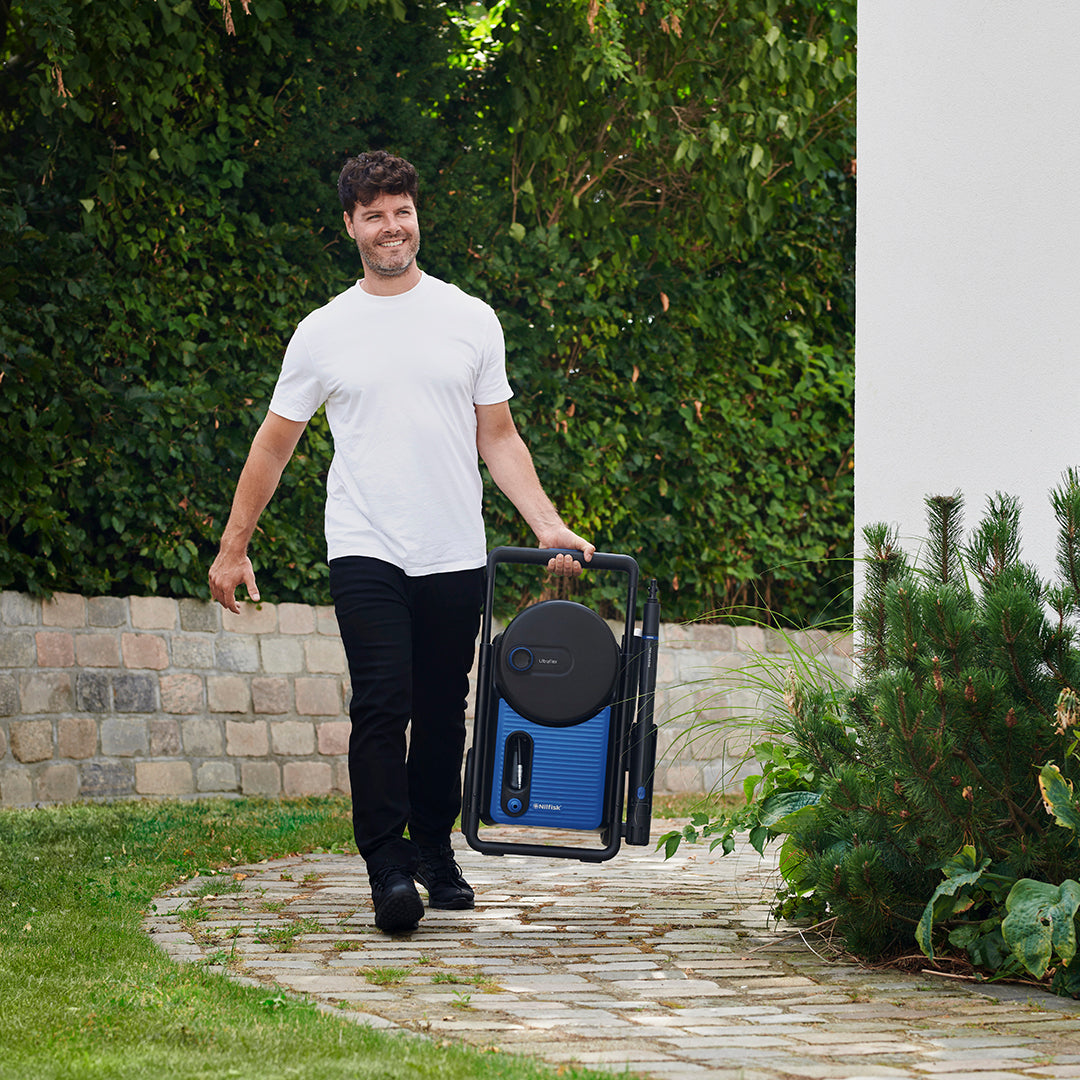
Pressure Washer Garden Cleaning
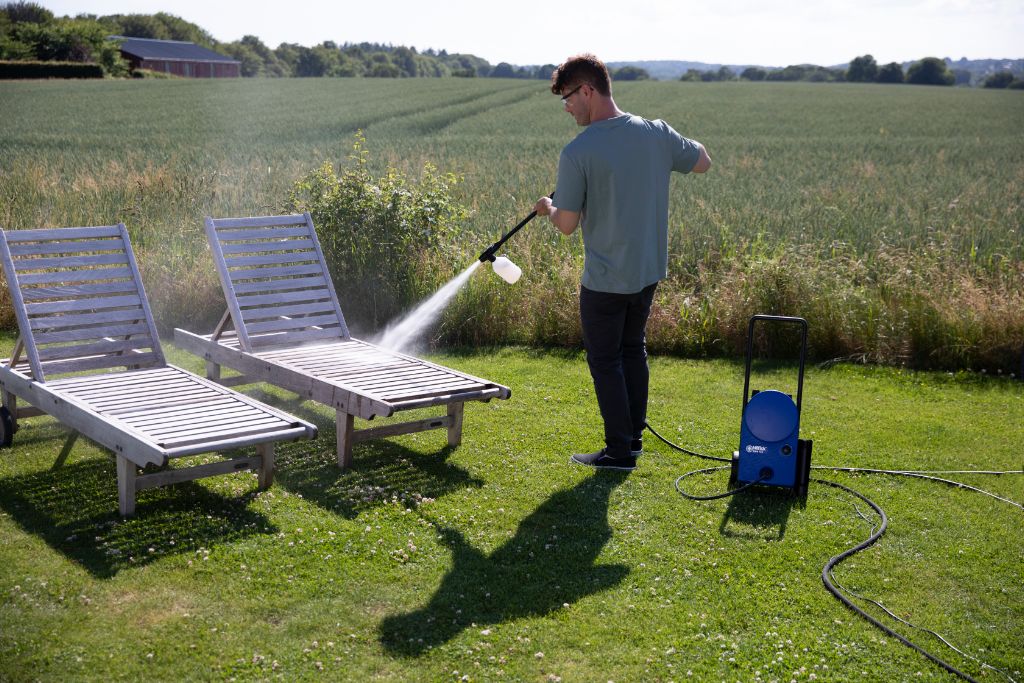
We know how much a well‑kept garden means to your home. With pressure washer garden cleaning, you can refresh patios, pathways, fences, outdoor furniture and more — quickly, easily, and effectively. Whether you’re preparing for summer or simply want a cleaner outdoor space, you’ll find everything you need right here.

Benefits of Pressure Washer Garden Cleaning
Garden pressure washers
Perfect for keeping your garden in shape.
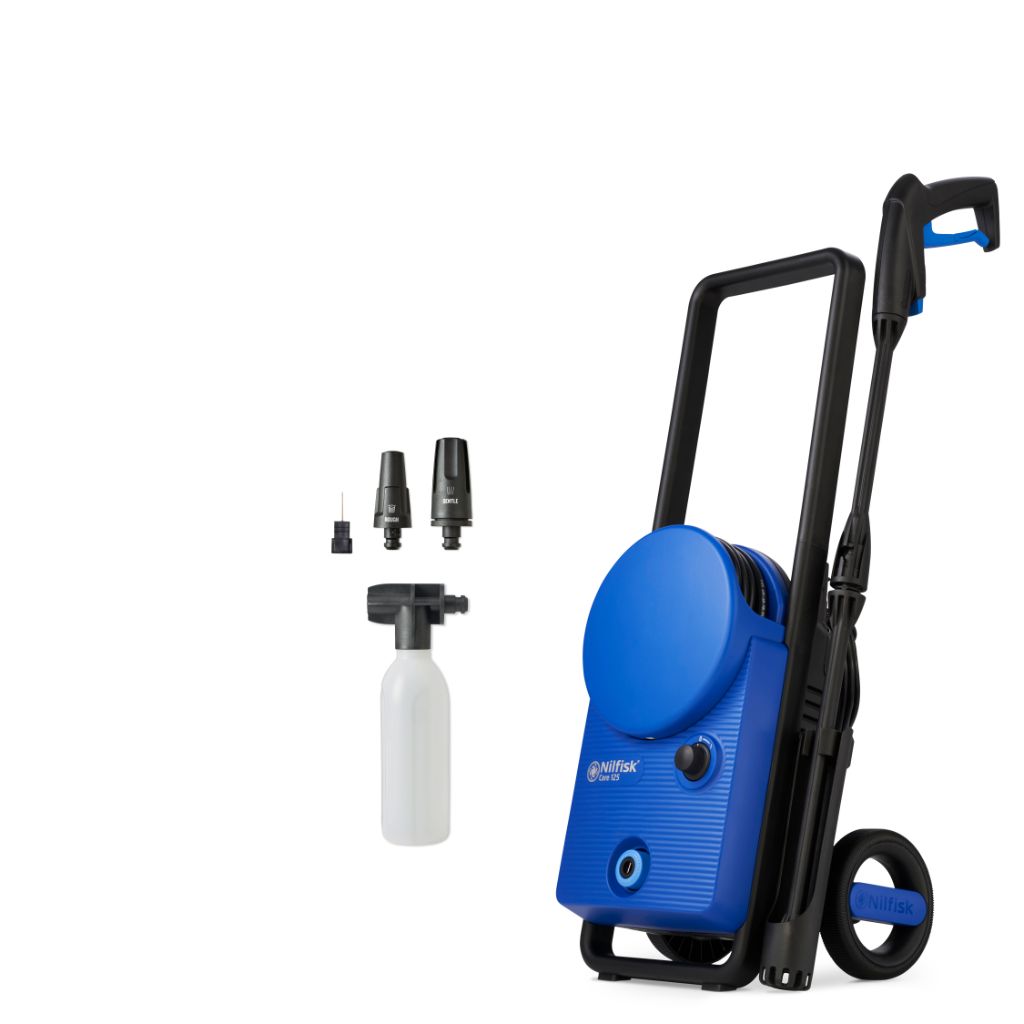
- 10 Year Warranty – Limited Time Only
Core 125-5 High pressure washer
Choose your option


- 10 Year Warranty – Limited Time Only
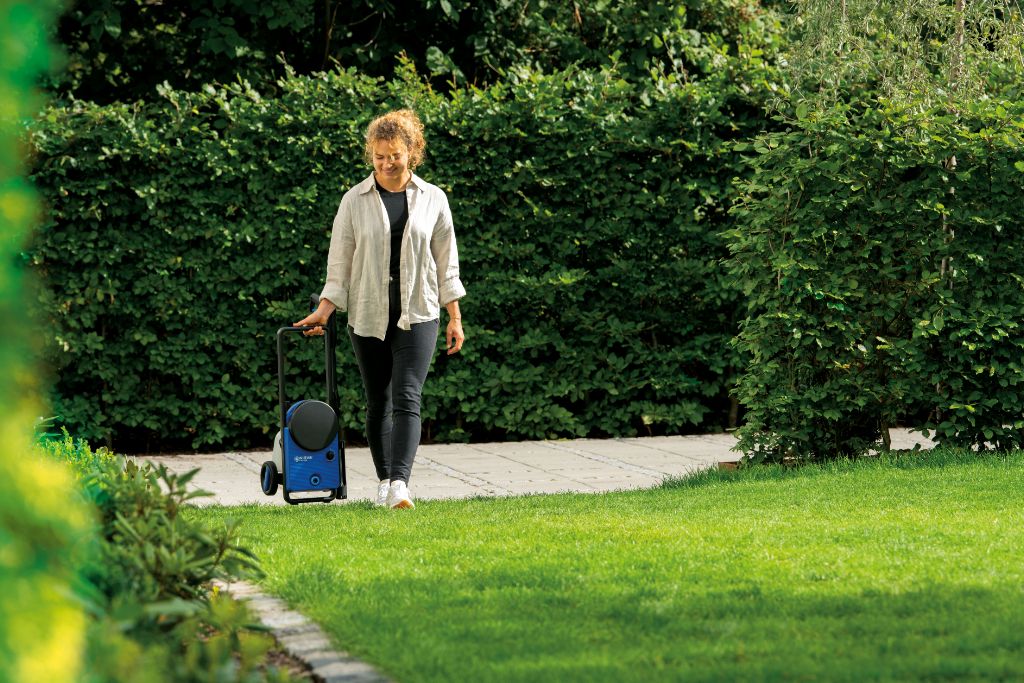
Core 140-6 Powercontrol High pressure washer
Choose your option
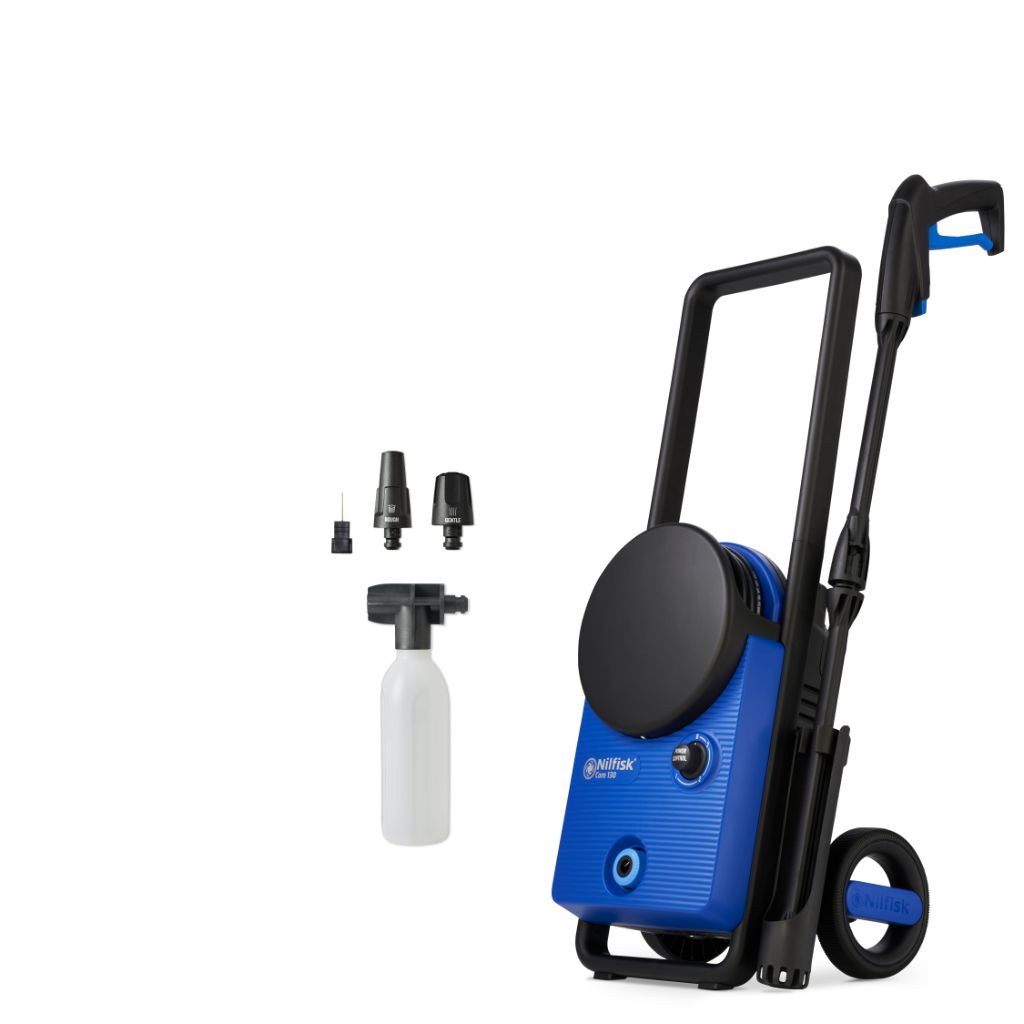
- 10 Year Warranty – Limited Time Only
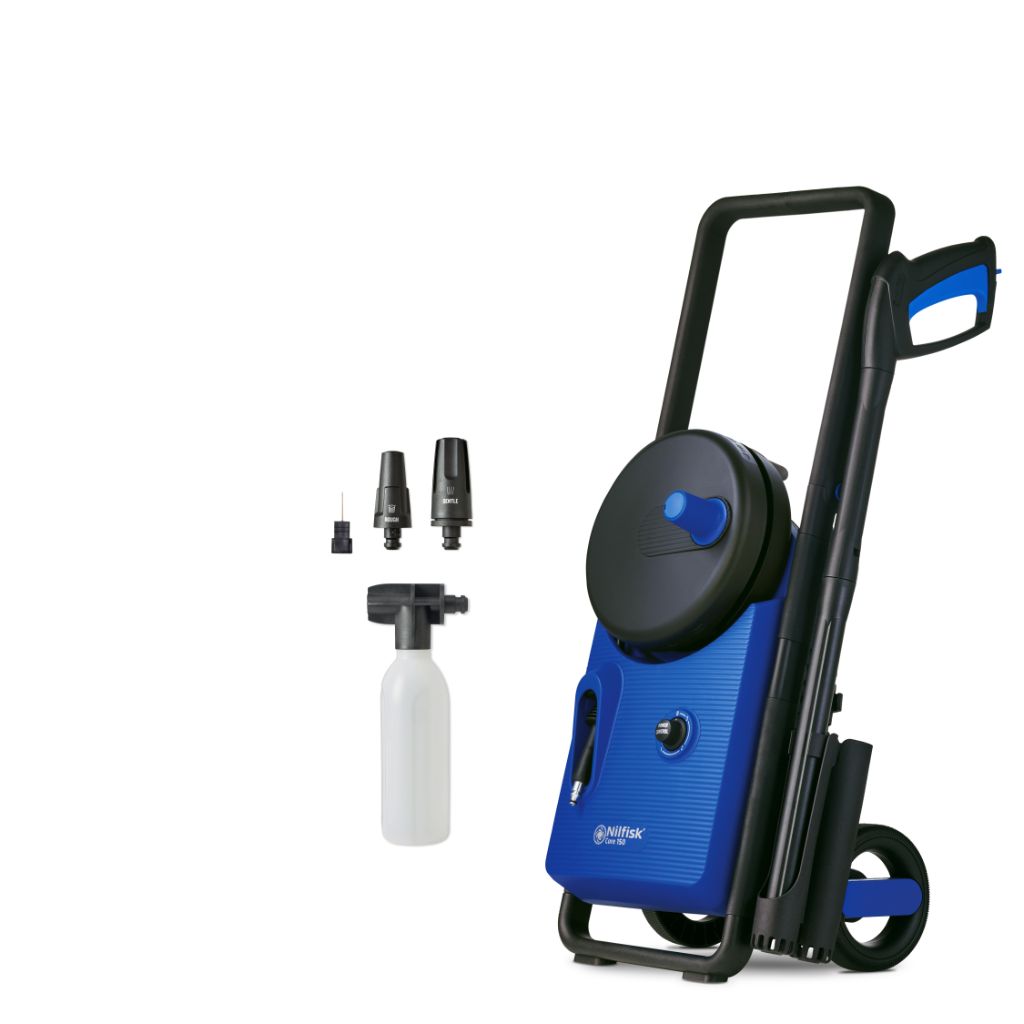
Core 130-6 PowerControl High pressure washer
Choose your option

- 10 Year Warranty – Limited Time Only
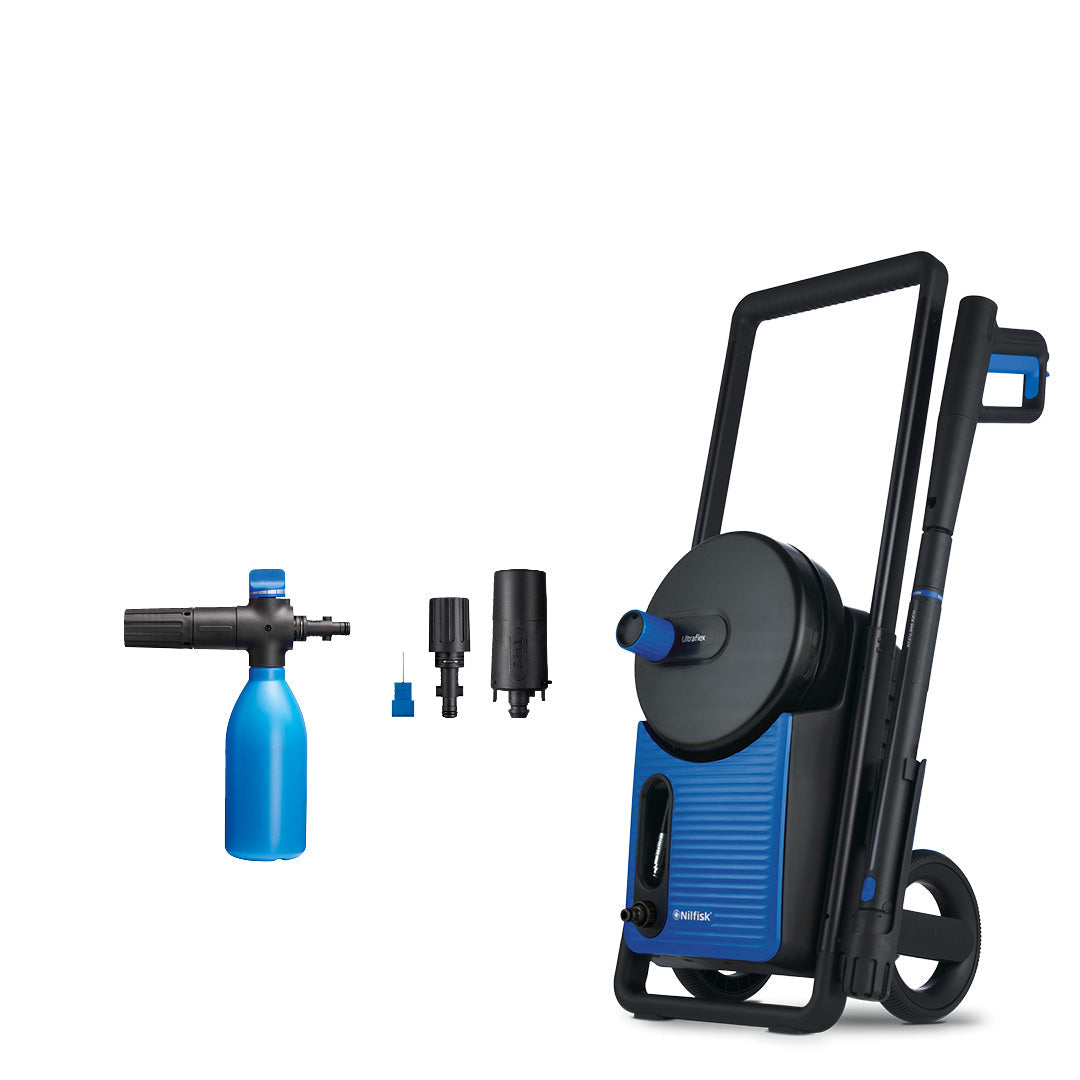
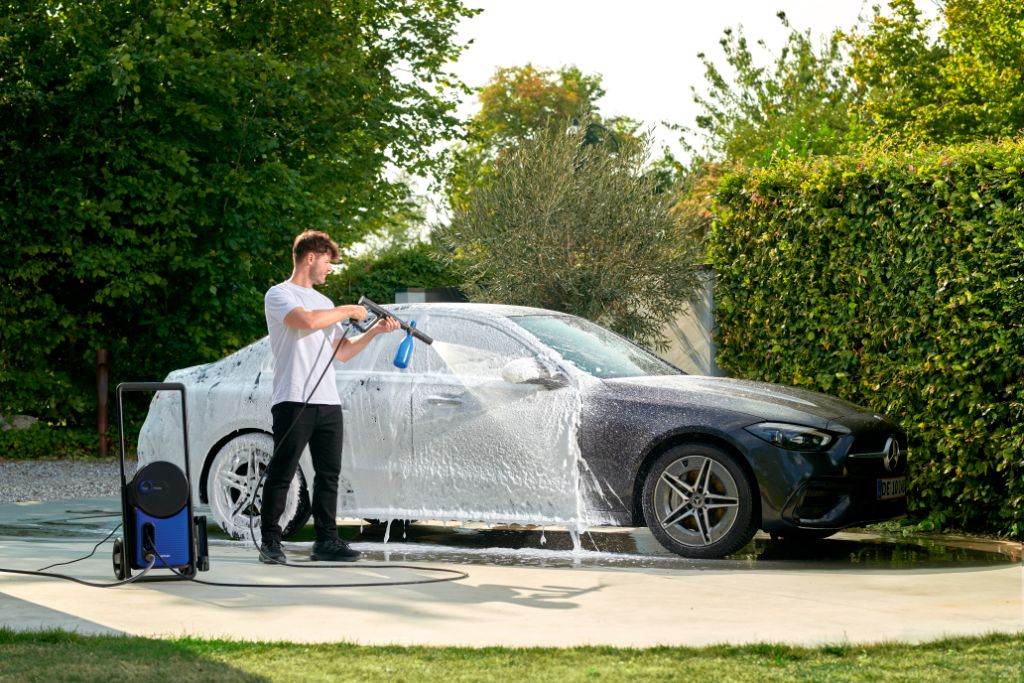
Core 150-10 PowerControl High pressure washer
Choose your option
- 10 Year Warranty – Limited Time Only
Excellent 160 High pressure washer
Choose your option
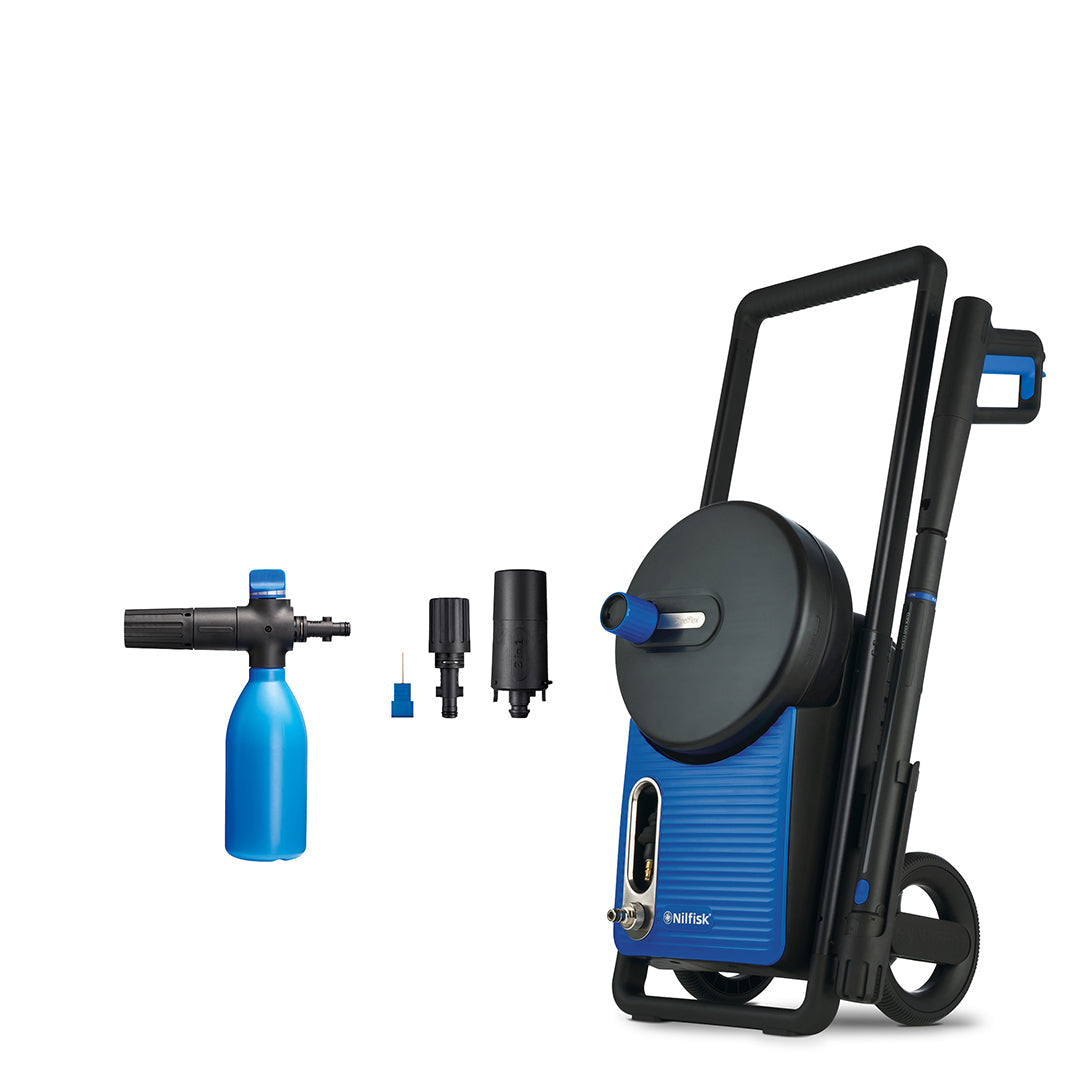
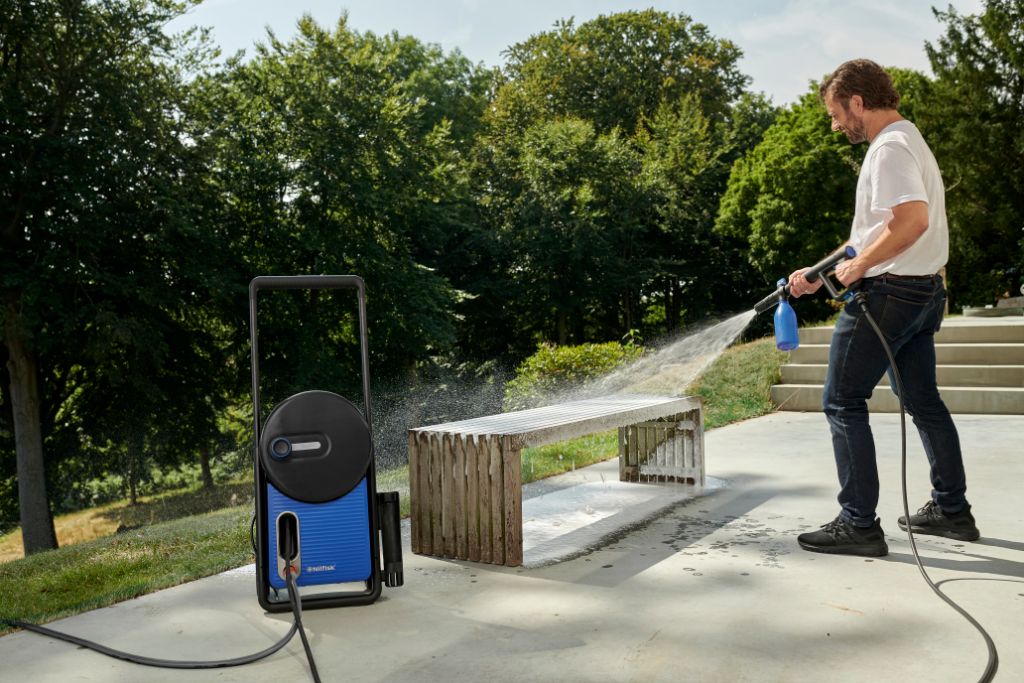
- 10 Year Warranty – Limited Time Only
Excellent 170 High pressure washer
Choose your option
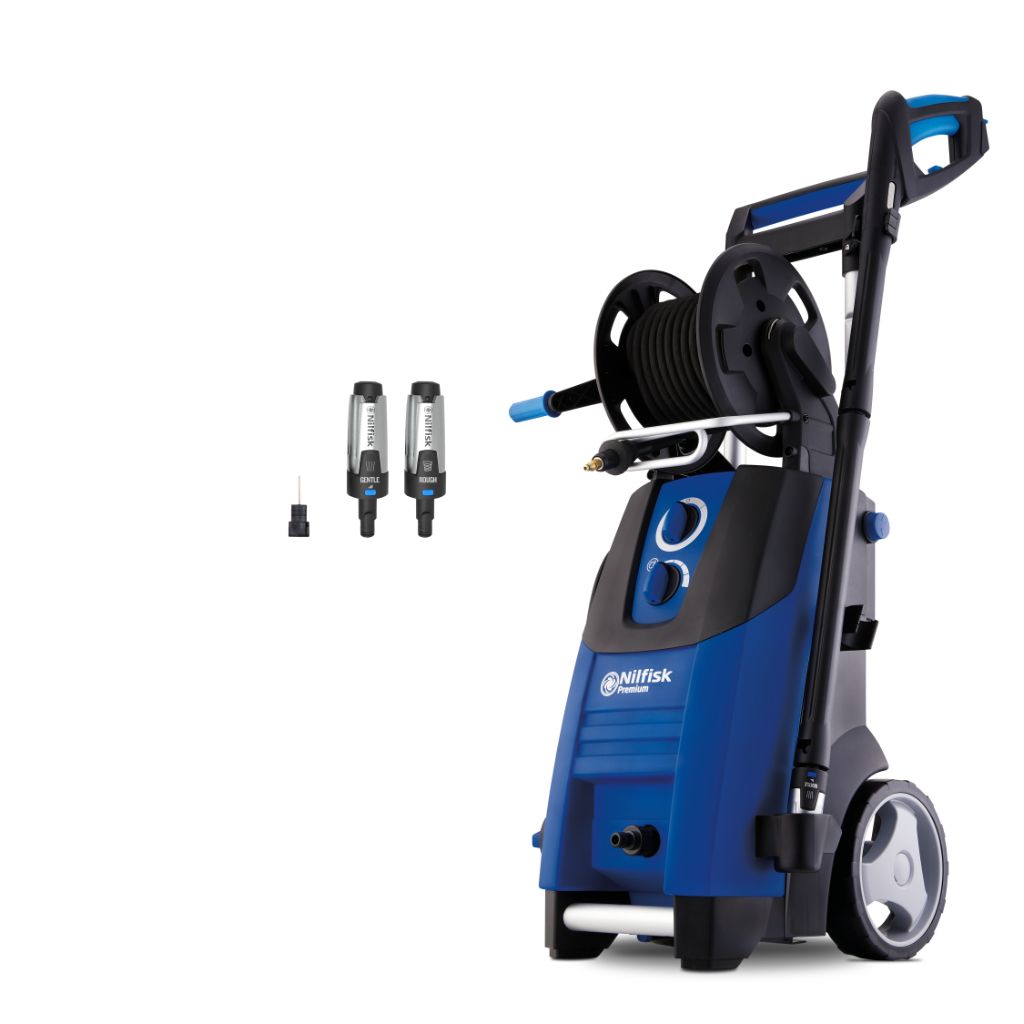
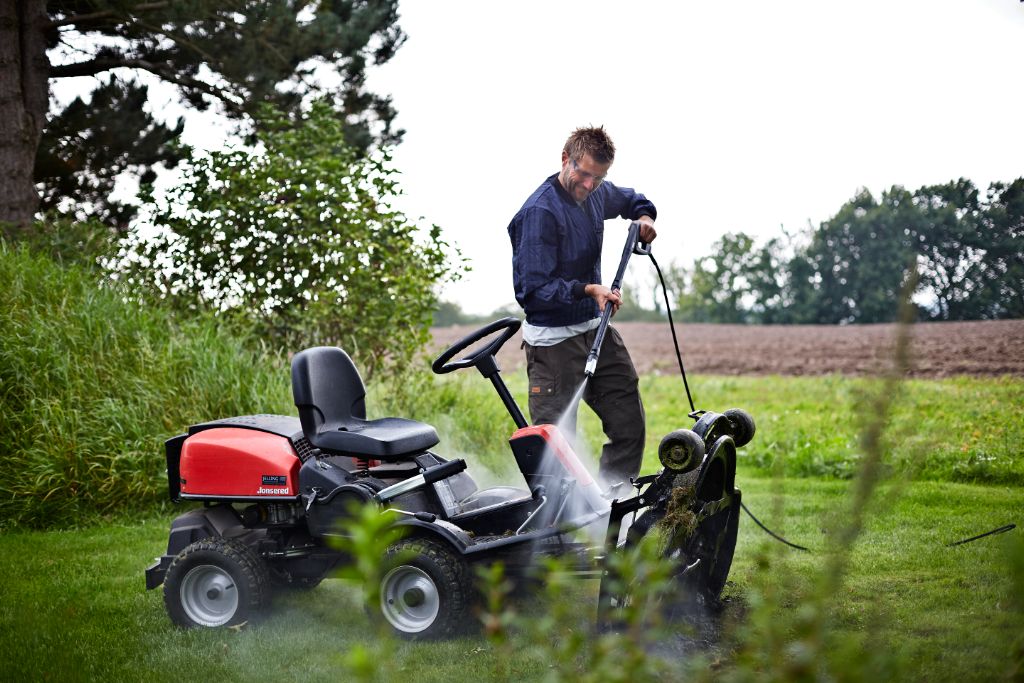
- 10 Year Warranty – Limited Time Only
Premium 180-10 High pressure washer
Choose your option

- 10 Year Warranty – Limited Time Only
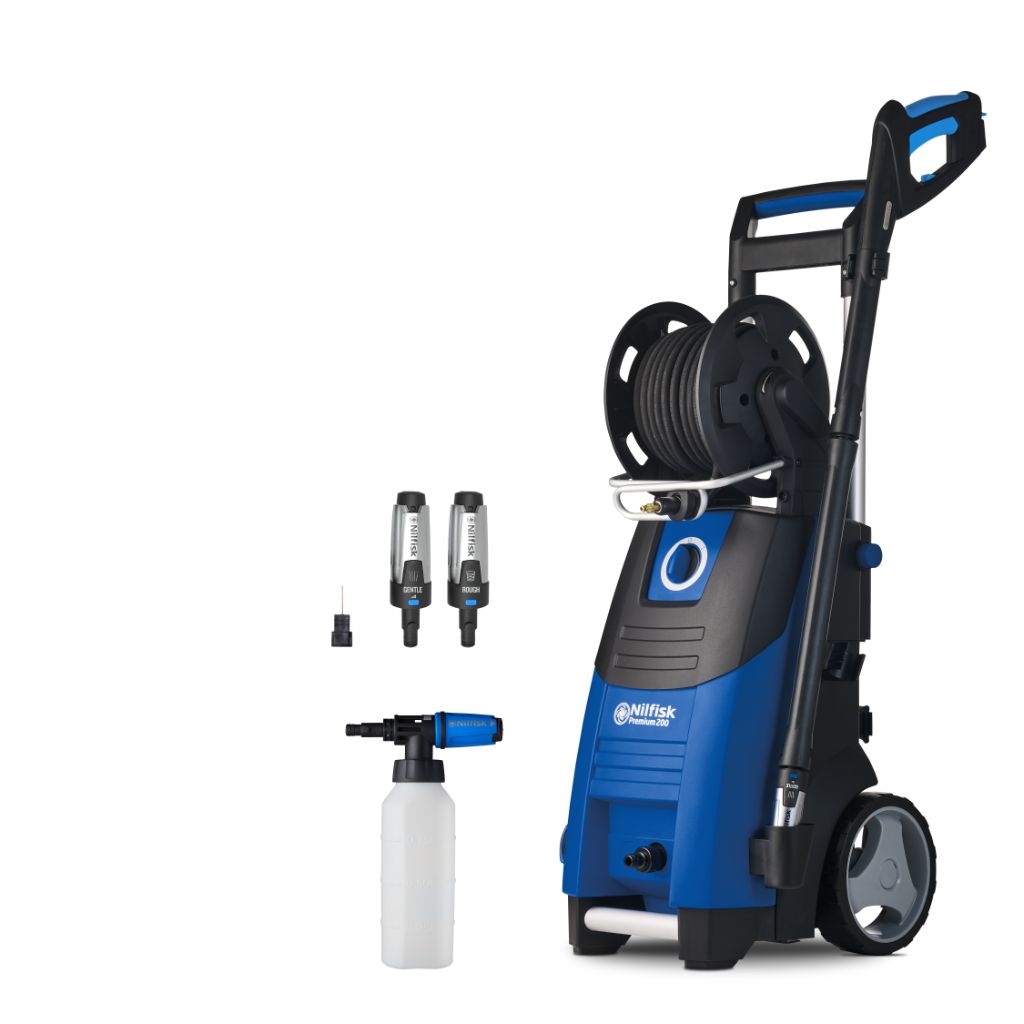
Premium 200-15 High pressure washer
Choose your option

Garden package
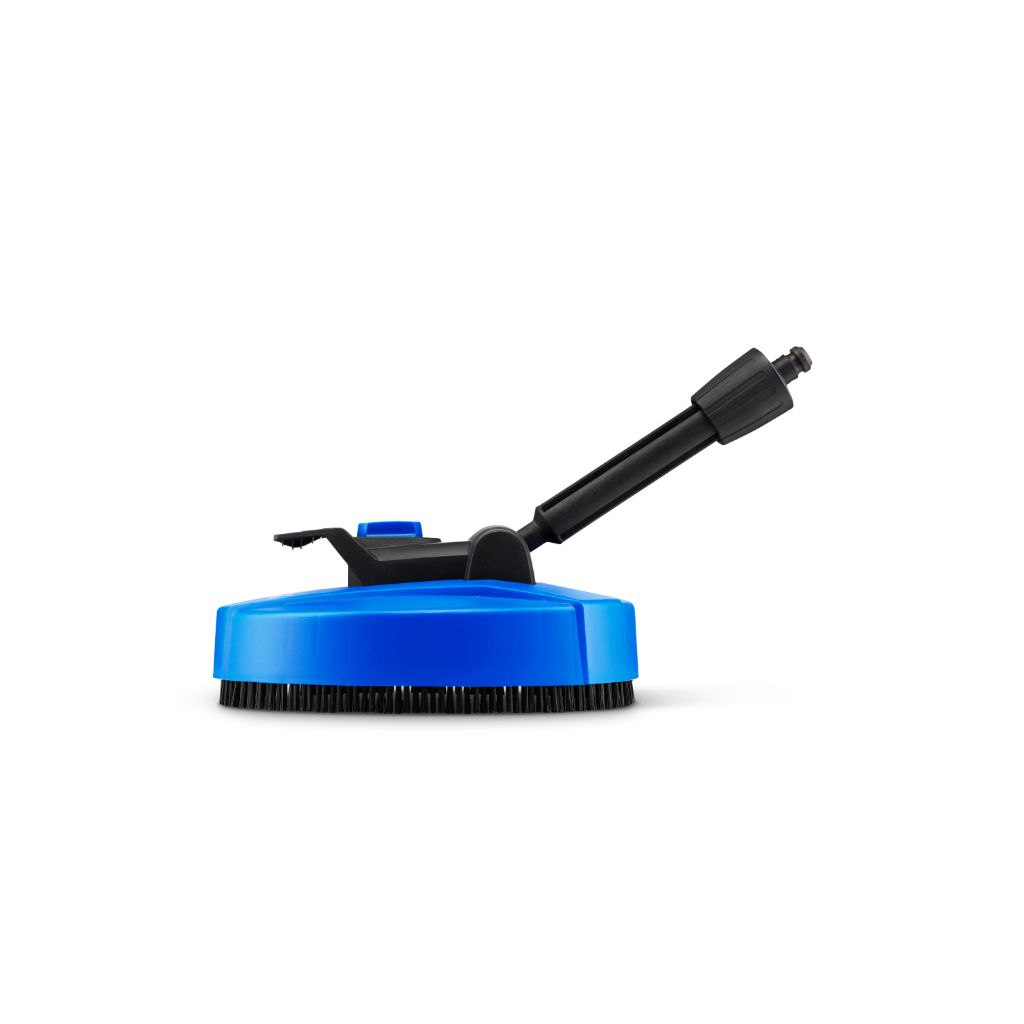
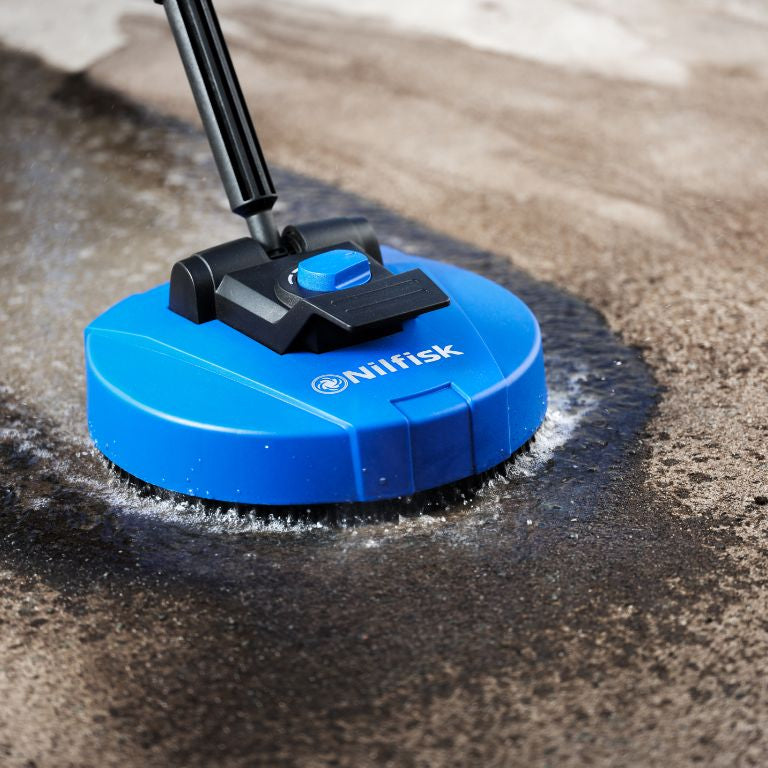
Mid Patio Cleaner for Pressure Washers with Click & Clean Coupling
Choose your option
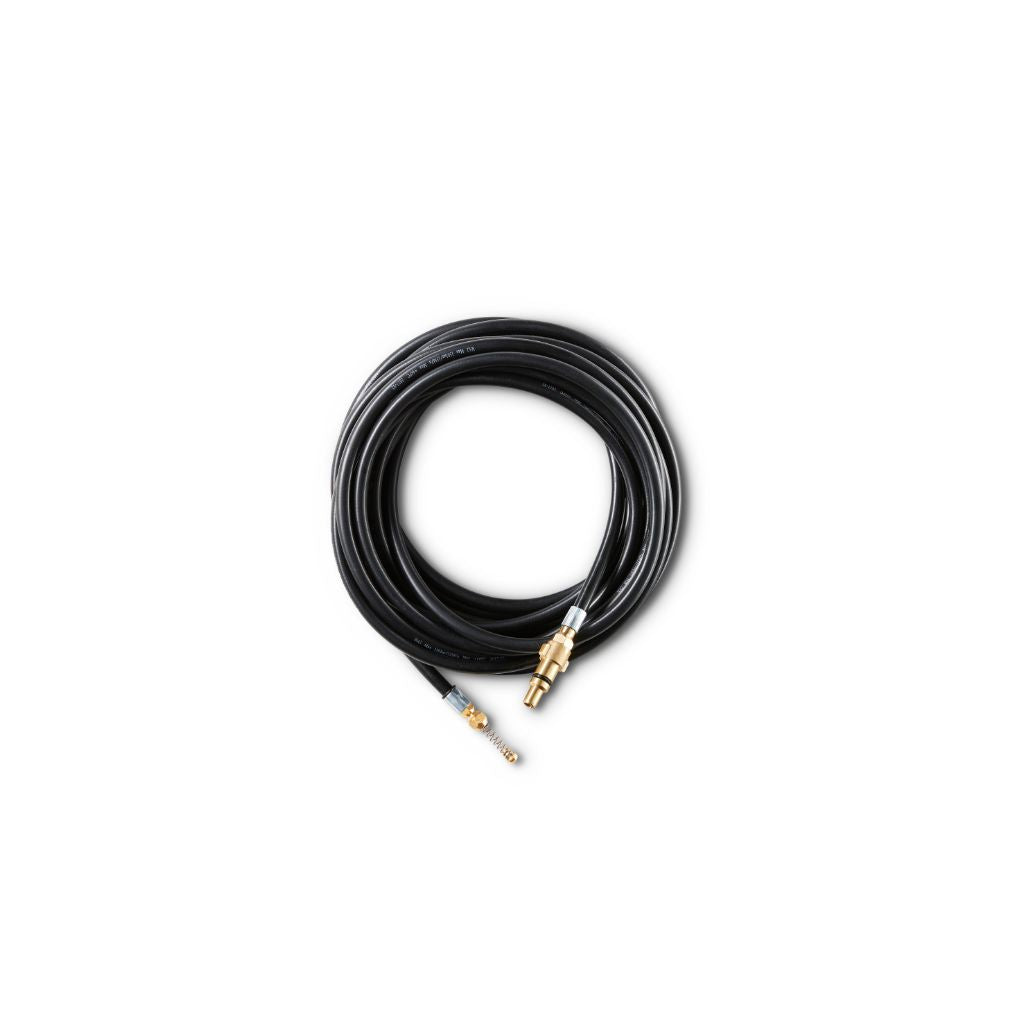
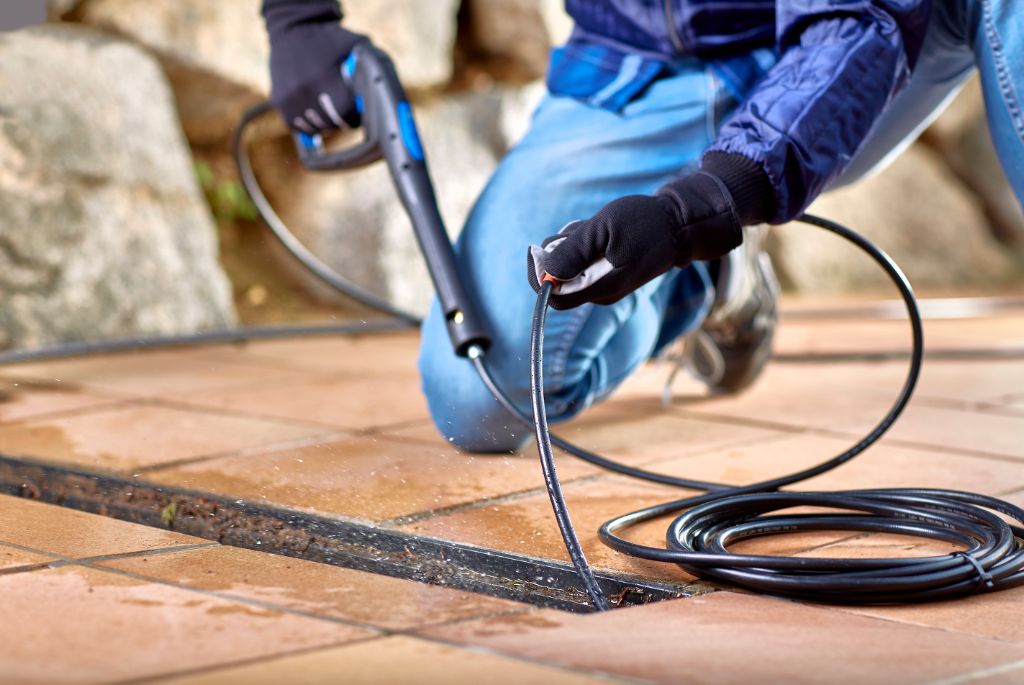
15m Drain & Tube Cleaner for Pressure Washers Bayonet
Choose your option
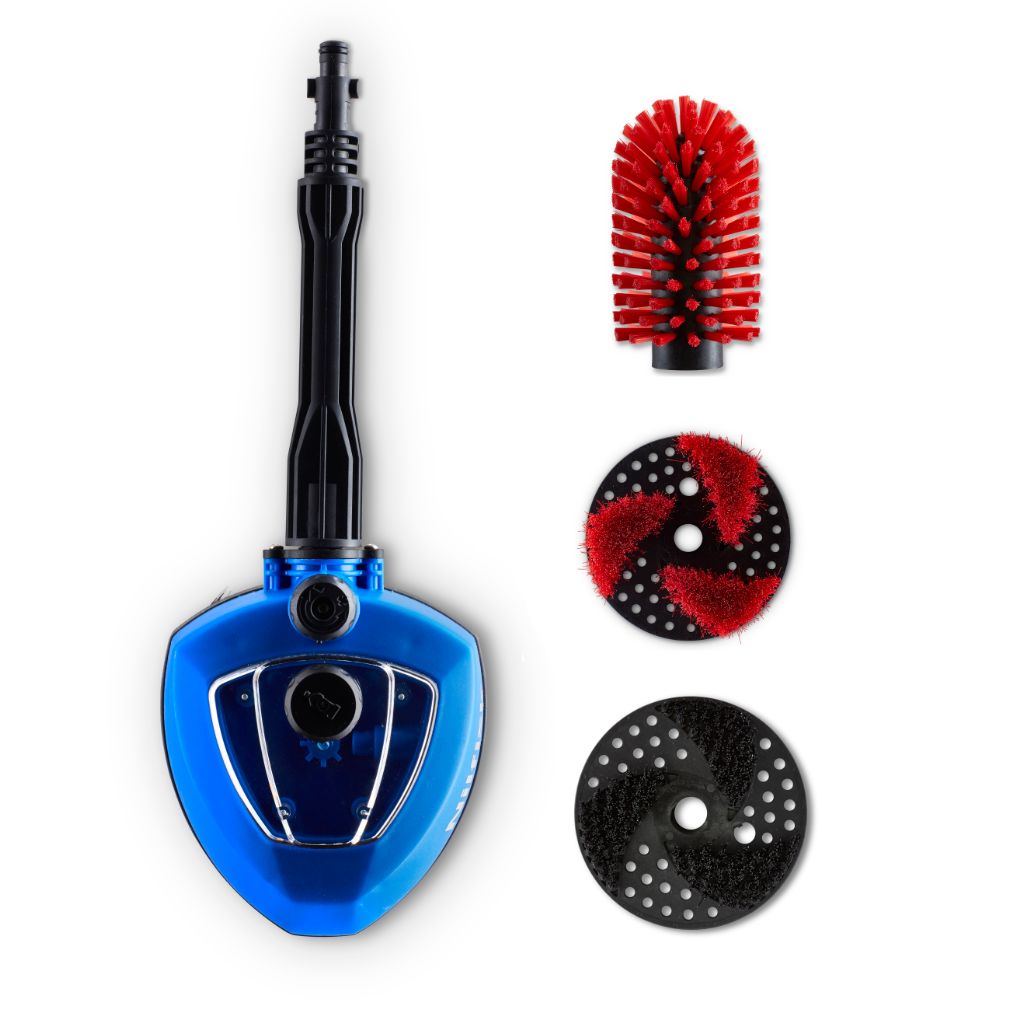
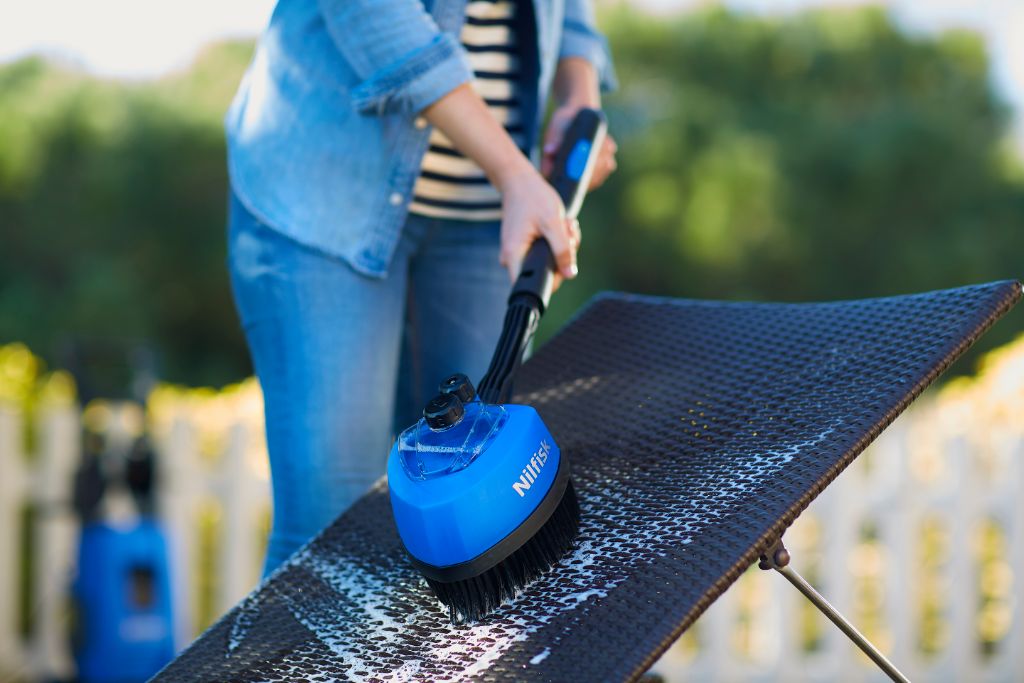
Multi brush kit with detergent tank (Incl. soft car, garden and rim brush heads)
Choose your option
Guides

How to clean your garden patio with a pressure washer
A step-by-step guide on getting your patio spring-ready. The most efficient way to clean your patio is by using a pressure washer, it does not waste as much water as you would when using a normal hosepipe and it gets the job done in half the amount of time. You can use a pressure washer on wooden decking, stones or brick paved patios which are bound together with concrete. However, we don’t recommend using it to clean a block-paved patio, as it will simply wash away all the sand and dirt which binds the bricks together. The strength of a pressure washer is measured in bars, for wooden decking you can use anything up to 130 bars and for stone or brick patios anything up to 140 bars. So let’s get started! 1. Get your patio ready to clean Start with a clear workspace removing any furniture, plants and pots from your patio before you get started. Make sure any items which you don't want to get dirty are kept far away or properly covered. You should use a broom to get rid of any debris such as dead leaves or large clumps of dirt, which will make the job easier. 2. Connect your high-pressure washer to the water supply Most pressure washers can connect to the mains with a simple Gardena connector, press down on the gun lever to make sure the water is flowing freely through your pressure washer before turning on the power. 3. Spray detergent on your patio Mix the Active Stone Cleaner detergent with a 2-5% mixing ratio in your dispenser bottle, spray it on the area and let it sit for 15-20 minutes. This will help to remove any tough stains or worn in dirt from your patio before we start cleaning. 4. Pressure-wash your patio Start at one end of your patio and work your way across the whole surface spraying in one direction and back another. While cleaning, rinse regularly and make sure the water can drain away easily. Start at the opposite side to where the water drains, so that the dirt will not drain back over your freshly-cleaned patio. 5. Patio maintenance After cleaning your patio, the best way to keep it in top condition is to spray on a finishing Stone Sealer Detergent. First, you should wait 1-2 hours until the stone cleaner has dried out. Bear in mind the sand between your tiles may have been moved during cleaning, if that’s the case them use a brush to sweep it back. Spray on your Stone Sealer Detergent using 50% water and 50% detergent in your dispenser bottle, and let it dry out completely over a week. And you're done! Top tip: Use a patio cleaning accessory head to make this process even smoother. The rotary jet nozzles work in a circular fashion to spray a more constant, balanced stream of water.
Read more
How to Clean Wooden Decking with a Pressure Washer
Wooden decking is a great addition to any outdoor space, but over time, dirt, moss, and algae can build up, making it look dull and even slippery. Regular cleaning with a pressure washer is the most effective way to restore your decking’s natural beauty and keep it safe to use. Follow these steps for the best results. Prepare Your Decking Before using a pressure washer, remove any furniture, planters, or other objects from the decking. Sweep or vacuum with a wet and dry, any loose dirt, leaves, and debris to ensure an even clean. Choose the Right Pressure Washer setting and nozzle For wooden decking, use a pressure washer with an adjustable setting, ideally on level 2 (between 50-70 working bar pressure) to avoid damaging the wood. A gentle nozzle is recommended, as it provides a gentle but effective clean without risk of damaging the paintwork. Apply a Detergent Using a detergent specifically designed for wooden surfaces such as the stone and wood cleaner helps break down grime, and mildew. Apply the detergent with the pressure washer’s foam sprayer, then let it sit for 5-10 minutes to loosen dirt. Wash the Decking Hold the pressure washer 30-50 cm away from the surface and move in long, even strokes, following the direction of the wood grain. Avoid holding the spray in one spot for too long to prevent gouging the wood. Test on a small, hidden area first to ensure the pressure setting is safe for your decking. Rinse Thoroughly After cleaning, rinse the deck with clean water to remove any leftover detergent or dirt. Ensure that all soap residue is washed away to prevent slipperiness. Allow to Dry & Apply a Protective Finish Let the decking dry completely (at least 24-48 hours) before placing furniture back. To protect the wood and prolong its life, consider applying a wood sealant or oil after cleaning. Tips for Avoiding Damage to Wood and Its Treatment Use a lower pressure setting to prevent splintering or stripping the wood finish. Keep the nozzle moving—never hold it in one spot too long. Follow the grain of the wood to avoid visible streaks or damage. Use a detergent made for wood to clean effectively without harsh chemicals. Apply a protective sealant after cleaning to restore and protect the surface. Tips for Maintaining Your Wooden Decking Sweep regularly to prevent dirt buildup. Clean with a pressure washer at least once a year. Avoid using high-pressure settings that may damage the wood. Apply a protective sealant annually to extend the lifespan of your decking. By following these steps, you can keep your wooden decking looking fresh and inviting all year round. Happy cleaning!
Read more
How to Clean Windows with a Pressure Washer
Did you know, if used correctly, pressure washers are safe to use on windows? Using a pressure washer to clean windows (frame and glass) can rejuvenate the appearance of your home, giving your windows a sparkling clean finish. It also means you don't need to pay a window cleaner and you can clean at your own accord. However, it's essential to do it correctly to avoid damage. Here’s a comprehensive guide to help you pressure wash your windows safely and effectively. 1. Gather Your Cleaning Equipment Before starting, make sure you have all the necessary tools and materials: Power washer with a suitable gentle nozzle Extension pole (if cleaning multi story houses) Window cleaning solution or a mild detergent Soft brush accessory for pressure washer Safety goggles and gloves Ladder (if required) 2. Prepare the Area Clear the area around your windows of any obstacles, such as outdoor furniture, potted plants, or decorative items. Close all windows tightly to prevent water from seeping inside your home. If possible, cover outdoor electrical outlets and fixtures near the windows to avoid any water damage. 3. Use a Pressure Washer Brush In order to ensure no damage is done to your windows, we recommend to use a pressure washer brush on the end of your lance or extension pole. This will also help you scrub off ingrained dirt easily. 4. Choose the Right Nozzle and Pressure Setting Selecting the appropriate nozzle and pressure setting is crucial. For windows, use a gentle nozzle to reduce the risk of damage. Start with the lowest pressure setting, and adjust the pressure if necessary. Always test the pressure on a small area first. 5. Apply Detergent with your pressure washer Fill the pressure washer’s detergent tank with a window cleaning solution such as a mild detergent. Use the foam sprayer (included with all Nilfisk machines) or the super foam sprayer to easily apply the cleaning solution. Alternatively, you can apply the solution manually with a spray bottle. Let the solution sit for a few minutes to loosen dirt and grime, but don’t let it fully dry on the glass. 6. Pressure Wash Windows Begin to power wash one window at a time from a safe distance, about a metre away. Hold the pressure washer lance at a 45-degree angle and spray in a sweeping motion, start at the top of the window and work your way down. This technique helps prevent streaks and ensures that dirt and detergent are rinsed away effectively. 7. Cleaning Multi Story Windows with a Pressure Washer If you are cleaning a house with a second-story, start with the windows at the top and work your way down. This avoids dirt dripping onto the lower windows after being cleaned. If you have one, use the extension wand to make it easier to reach high windows. 8. Clean Window Frames and Shutters Don’t forget to clean the window frames and shutters. You can use the same pressure washer settings, but ensure to start low and increase the pressure if needed. 9. Spray Thoroughly After washing the windows, ensure all detergent is rinsed thoroughly with the high pressure washer. Again, start from the top and work your way down to ensure all areas are covered. 10. Dry and Inspect Once rinsed, use a soft brush or microfiber cloth to dry the windows and remove any remaining water spots. Inspect the windows for any missed spots or streaks and touch up as necessary. Safety Tips Wear protective gear: Safety goggles and gloves protect you from debris and detergent splashes. Use a stable ladder: If you need to reach high windows, ensure your ladder is stable and positioned on a level surface. Be cautious with pressure: Excessive pressure can damage window seals, glass, and frames. Always start with the lowest effective pressure setting. Check weather conditions: Avoid pressure washing on windy days to prevent water and detergent from being blown into unwanted areas. Single pane glass: Be extra careful with single pane glass - start even further away (2 metres). Safety glass: Never clean safety glass with a pressure washer. Pressure washing your windows can be a highly effective way to achieve a spotless, gleaming finish. By following these steps and taking necessary precautions, you can enjoy crystal-clear windows that enhance the overall look of your home. Remember to be patient, take your time, and prioritize safety throughout the process.
Read more
See our products in action


Garden cleaning accessories and detergents
15m Drain & Tube Cleaner for Pressure Washers Bayonet
Choose your option
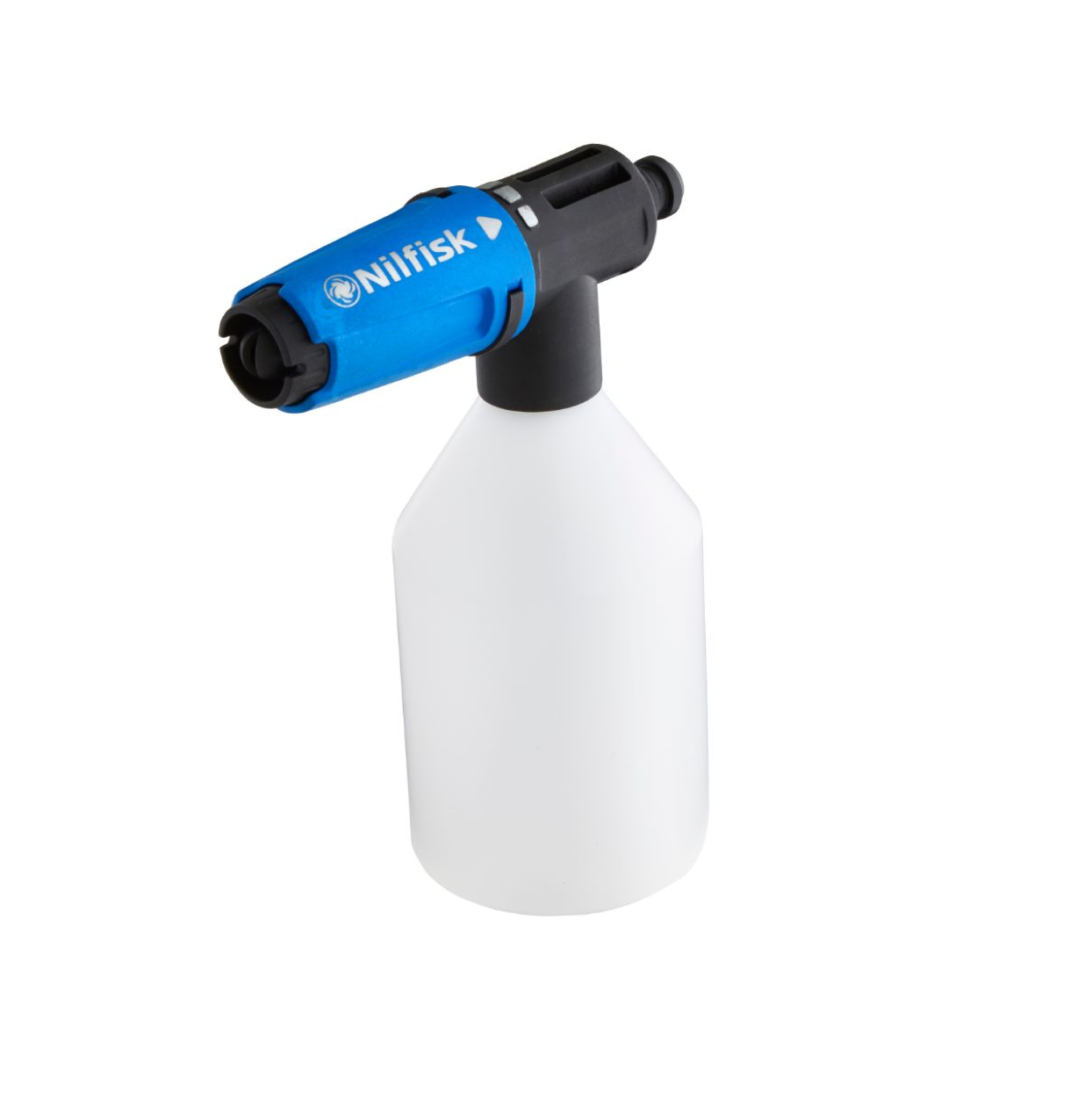
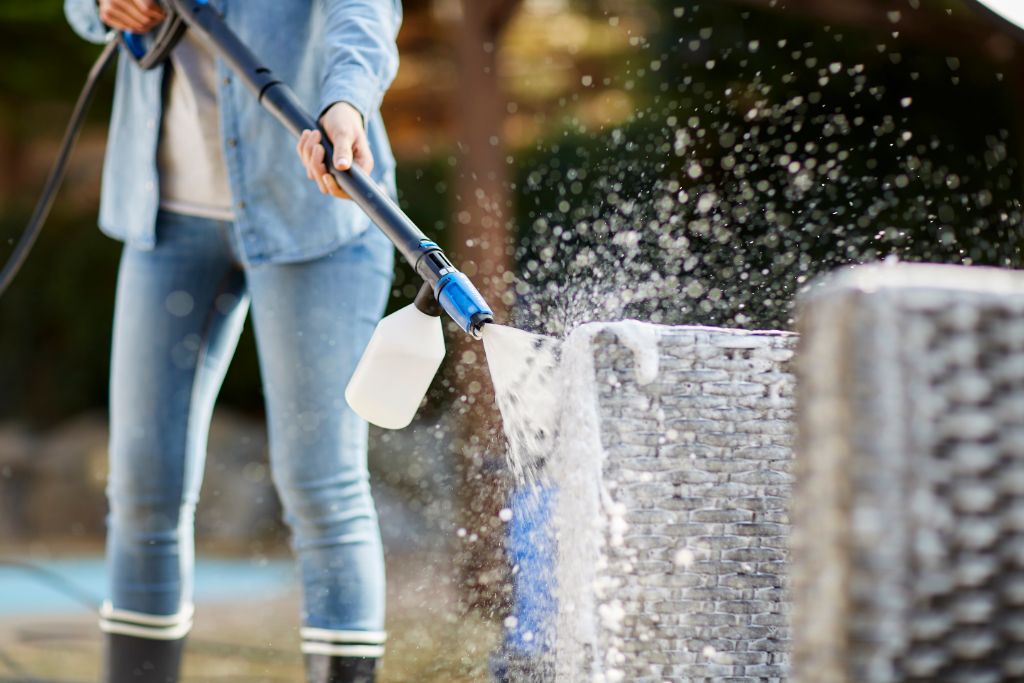
Super Foam Sprayer for Pressure Washers with Click & Clean Connection
Choose your option
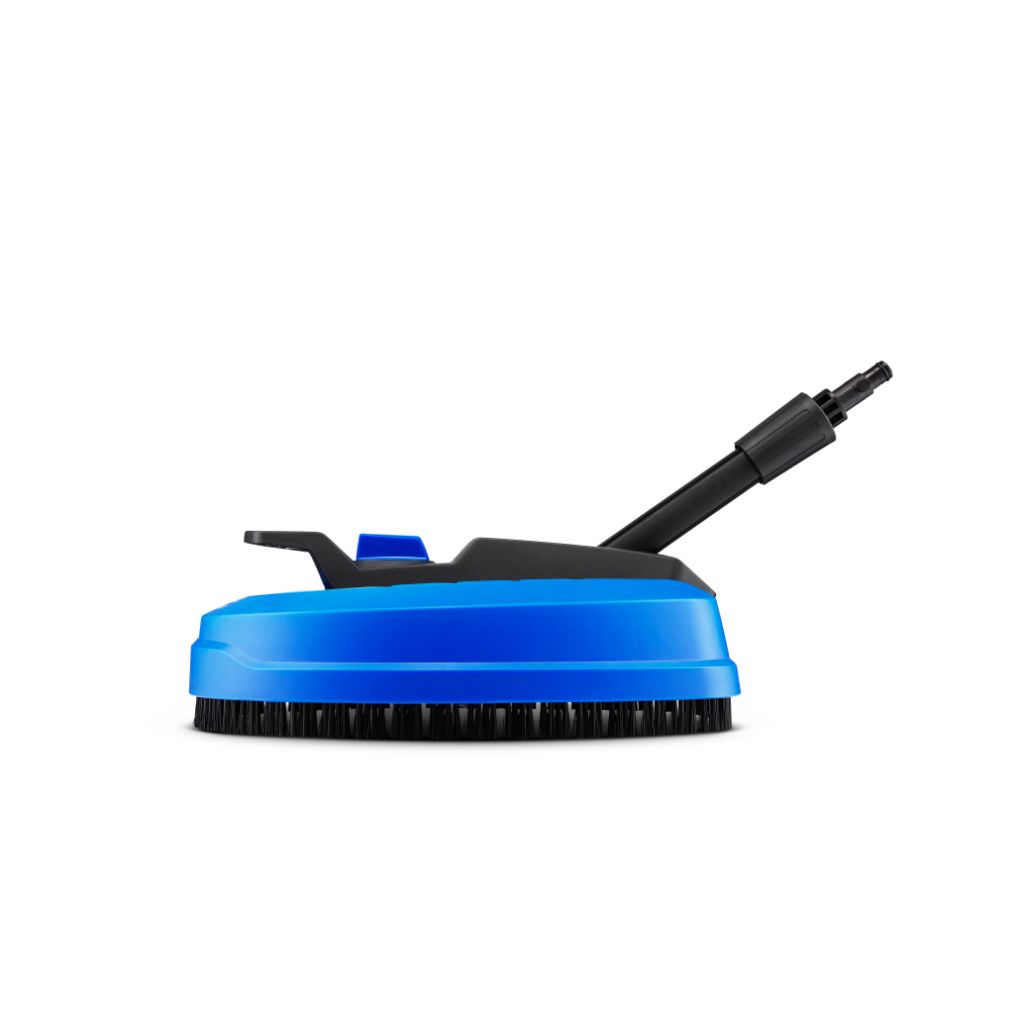
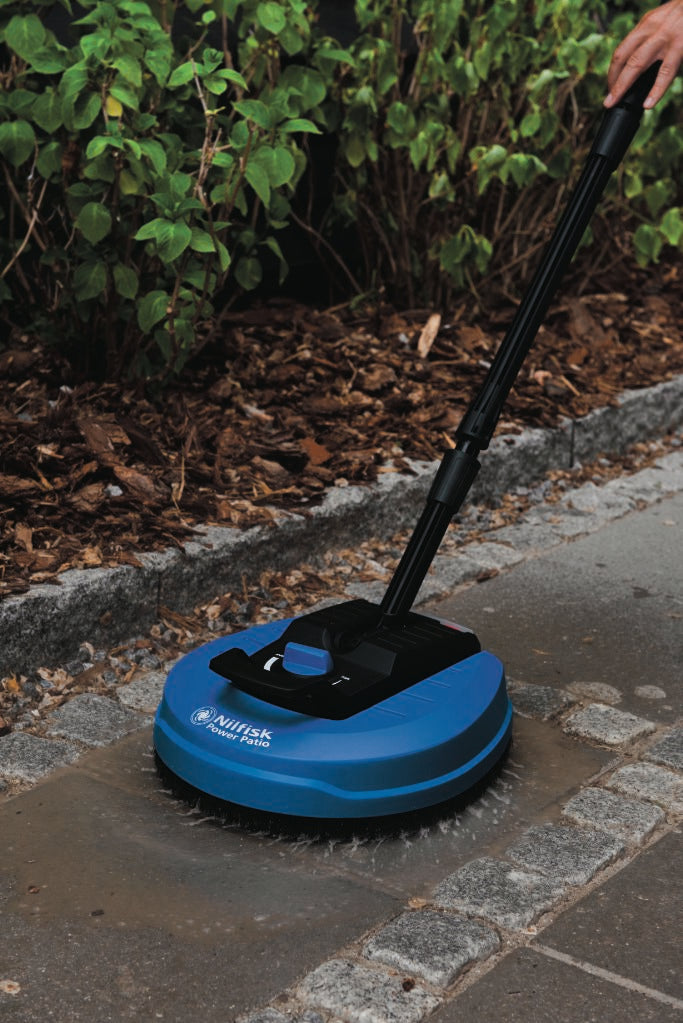
Power Patio Cleaner for Pressure Washers with Bayonet Coupling
Choose your option
Mid Patio Cleaner for Pressure Washers with Click & Clean Coupling
Choose your option
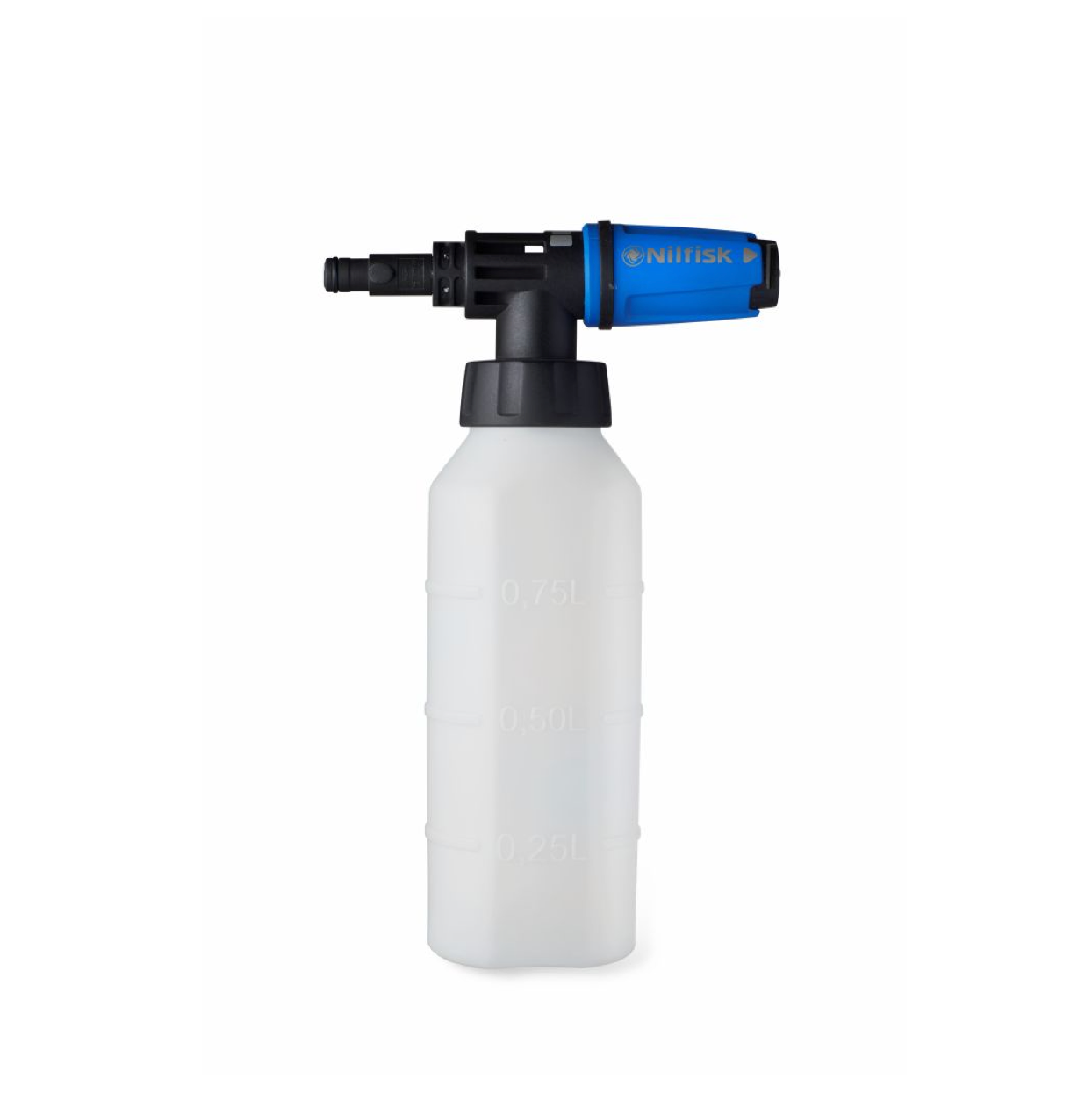
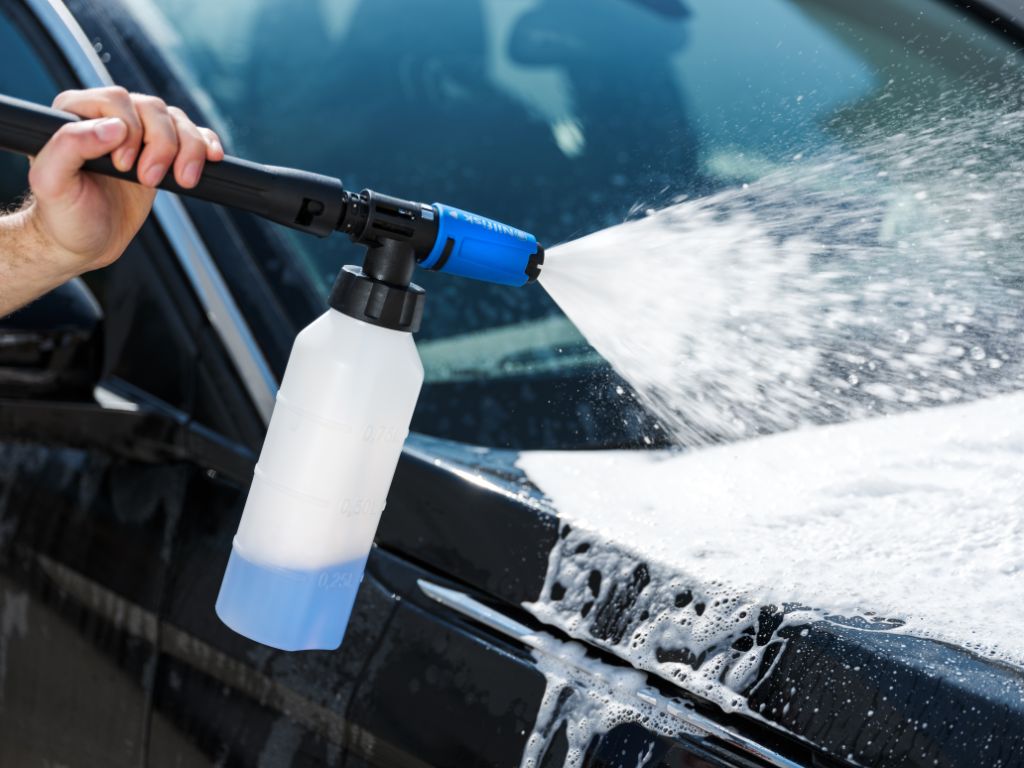
Super Foam Sprayer for Pressure Washers with Bayonet Coupling
Choose your option
Multi brush kit with detergent tank (Incl. soft car, garden and rim brush heads)
Choose your option
What garden surfaces can I clean with a pressure washer?
What garden surfaces can I clean with a pressure washer?
How often should I pressure wash my patio or deck?
How often should I pressure wash my patio or deck?
Is pressure washing safe for plants?
Is pressure washing safe for plants?
Before

After